Key Takeaways
- The traditional 6-12 month SEO timeline is obsolete in 2026 – sites can now rank in as little as 17 days using strategic frameworks
- Google’s algorithm now prioritizes relevance signals and entity associations more than extensive backlink profiles
- The 4-part rapid ranking framework combines technical setup, strategic content creation, relevance building, and authority acceleration
- New sites actually have ranking advantages in 2026 as they can implement current optimization techniques without legacy issues
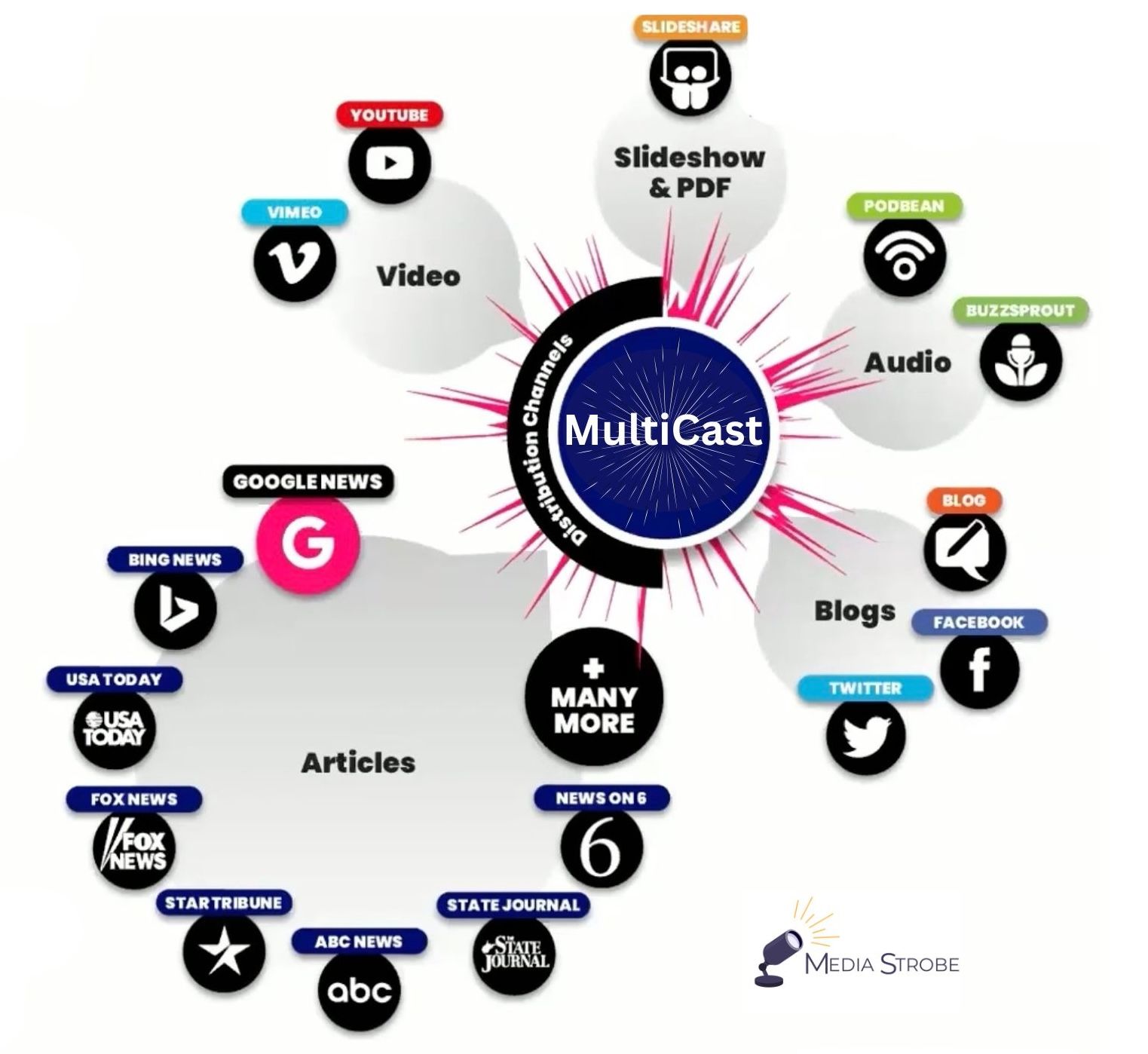
- Media Strobe’s MultiCast technology helps accelerate site visibility by creating overwhelming relevance signals across multiple platforms
The Google Ranking Timeline Has Changed Forever
Forget everything you’ve been told about SEO timelines. The days of waiting 6-12 months to see ranking results are officially over. Google’s algorithm has evolved dramatically, and savvy marketers are leveraging these changes to rank brand new sites in just 17 days. This isn’t about black hat tactics or temporary gains – it’s about creating such overwhelming relevance that Google has no choice but to recognize your site quickly. Media Strobe has been pioneering these rapid ranking techniques, helping businesses skip the traditional waiting game that keeps most companies stuck in SEO limbo.
The 17-day ranking method isn’t wishful thinking – it’s a systematic approach based on Google’s current algorithm priorities. In 2026, search engines evaluate sites differently than they did even two years ago, placing greater emphasis on content relevance, user experience signals, and entity associations rather than just backlink age and volume. This creates a perfect opportunity for new sites to gain visibility quickly when following the right framework.
Why Most Sites Fail to Rank Quickly (And What’s Different in 2026)
The vast majority of websites launch without a strategic ranking plan, resulting in the all-too-familiar “Google sandbox” period where visibility seems impossible to achieve. Site owners publish content sporadically, build backlinks randomly, and make technical improvements as afterthoughts. This scattered approach might eventually produce results, but it’s like trying to fill a bathtub with an eyedropper – painfully slow and inefficient.
What’s different in 2026 is how Google processes and evaluates new websites. The search engine has become significantly more sophisticated in understanding content relevance, topical authority, and user intent. These changes have created exploitable opportunities for sites that know how to send the right signals from day one.
The Outdated “Wait 6 Months” Approach
The Old SEO Timeline vs. The 2026 Reality
Traditional SEO: 6-12 months to rank for competitive terms
2026 Method: 17 days to achieve first page rankingsTraditional Method: Backlinks as primary ranking factor
2026 Method: Relevance signals as primary ranking acceleratorAlgorithm Changes That Allow Faster Indexing
Google’s increased computing power and AI capabilities have dramatically changed how quickly sites can be evaluated and ranked. Their systems can now process and understand content relationships, relevance signals, and site authority indicators faster than ever before.
The introduction of more sophisticated natural language processing in recent updates means Google can quickly determine if your content deserves visibility—without requiring the historical “proving period” of the past.
The 2023 Helpful Content updates and subsequent refinements have shifted the focus toward user experience signals and content value rather than traditional SEO metrics. Google’s systems now evaluate sites holistically, looking at topical clusters, content comprehensiveness, and how effectively information is structured. This means new sites with strategic content organization can gain visibility much faster than their less organized competitors.
Additionally, Google’s indexing systems have become significantly more efficient. What used to take weeks can now happen in days or even hours when the right submission protocols are followed. Combined with proper technical setup and content organization, these improvements create the perfect conditions for rapid ranking.
Why New Sites Have a Hidden Advantage
Counterintuitively, new websites often have advantages over established domains when it comes to rapid ranking in 2026. Legacy sites typically carry baggage: outdated content structures, technical debt, and optimization practices designed for algorithms from years past.
New sites, meanwhile, can implement current best practices from day one without having to undo previous mistakes. For example, they can quickly adapt to Google recommendations and AI citations to boost their visibility.
Fresh domains also benefit from what I call the “relevance multiplier effect.” When every page on your site aligns perfectly with your target keywords and topics – without dilution from years of accumulated content – Google can more clearly understand your site’s purpose and expertise areas. This topical clarity accelerates the ranking process substantially.
The 4-Part Framework That Forces Fast Rankings
The 17-day ranking method isn’t about implementing random tactics and hoping something works. Instead, it relies on a comprehensive framework where each component amplifies the others to create overwhelming relevance signals. This approach creates a compounding effect that accelerates Google’s recognition of your site as an authority worthy of top rankings.
While most SEO guides focus on individual tactics, this framework connects activities in a strategic sequence designed to trigger Google’s ranking algorithms efficiently. The four components work together: foundation setting creates the optimal structure, relevance building establishes topical authority, authority acceleration provides external validation, and technical optimization ensures Google can efficiently process all these signals.
Days 3-5: Creating Your First Ranking Cluster
Days 3-5 are when the real magic begins to happen. This is where you’ll create your first content cluster – a strategic group of interlinked pages that collectively establish topic authority. Start with your pillar content piece (1500+ words) that broadly covers your main target keyword, then create 3-5 supporting articles (800+ words each) that address specific subtopics and questions related to your main keyword. This cluster approach sends powerful relevance signals to Google by demonstrating depth and breadth on your chosen topic.
Interconnect these pages using precise anchor text that reinforces your keyword targeting without appearing manipulative. The internal linking structure should form a logical hierarchy with the pillar content at the center and supporting content branching out. Add schema markup to each page to provide clear context to search engines about the content’s purpose and relationship to other pages. This organized approach accelerates Google’s understanding of your site’s topical focus, giving you a significant head start over competitors who publish content randomly.
Week 2: Days 6-10 Relevance Building
The second week focuses entirely on building overwhelming relevance signals that force Google to recognize your site’s authority. This stage is about creating both on-site and off-site indicators that your content deserves visibility. You’ll implement advanced indexing techniques, establish entity associations, and leverage strategic content distribution methods to amplify your site’s presence across the web.
The Bing Submission Hack That Speeds Up Google
- Submit all new URLs to Bing Webmaster Tools immediately after publishing
- Activate IndexNow protocol through Bing to trigger faster crawling
- Create and submit XML sitemaps with priority tags set to 1.0 for new content
- Utilize Bing’s API for programmatic URL submission when publishing multiple pages
- Monitor Bing indexing speed as an early indicator of Google indexing potential
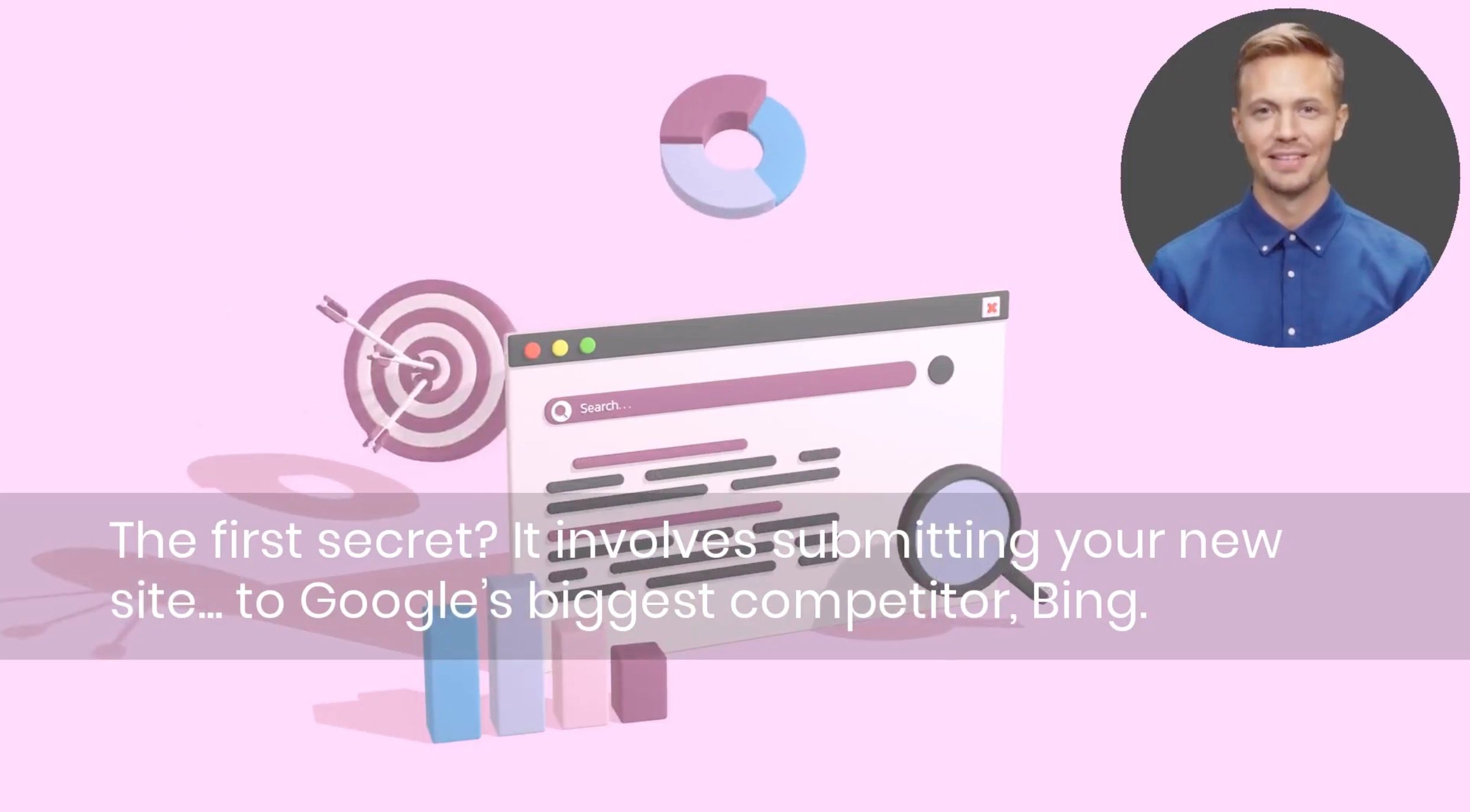
While most SEOs focus exclusively on Google’s systems, the lesser-known reality is that Bing indexing can accelerate Google recognition. Google’s crawlers pay attention to content already indexed by other search engines, creating a shortcut to faster visibility. When Bing indexes your site quickly, it creates a signal that your content is fresh and potentially valuable, which Google’s systems increasingly recognize.
The technical implementation is straightforward: register your site with Bing Webmaster Tools, verify ownership, and use their submission API to instantly notify their crawlers of new content. The key advantage is that Bing typically processes these submissions within hours rather than days or weeks. As Bing begins displaying your site for relevant queries, it establishes a presence that Google’s systems can detect, creating a feedback loop that accelerates your Google rankings.
This approach is particularly effective in 2026 as search engines increasingly share indexing signals through common web standards. The IndexNow protocol allows multiple search engines to be notified simultaneously when content is published or updated, creating efficiency for both site owners and search engines. Taking advantage of this cross-engine recognition pattern gives you a significant speed advantage over competitors who focus solely on Google’s systems.
Entity Association Techniques
Entity association has become one of the most powerful ranking accelerators in 2026. Google now prioritizes content that demonstrates clear connections to established entities (people, places, organizations, concepts) within your industry. During days 7-8, implement strategic entity references throughout your content using both explicit mentions and implicit associations. Link to authoritative sources that define these entities, include structured data markup identifying key entities, and create content that positions your brand alongside recognized authorities in your space. This entity connection technique essentially allows your new site to “borrow” relevance from established concepts, dramatically shortening the time needed to build topical authority.
The 3-2-1 Content Publication Method
The 3-2-1 publication method creates a strategic content release schedule designed to maximize visibility signals. It works by publishing three supporting articles on day 8, two more specialized pieces on day 9, and your ultimate authority piece on day 10. This sequence creates a content momentum pattern that search engines recognize as a signal of active expertise development. Each piece builds upon the previous content, creating an escalating relevance pattern that culminates in your main keyword target.
Media Strobe’s MultiCast technology amplifies this approach by simultaneously distributing content signals across multiple platforms and formats. Instead of publishing content only on your website, MultiCast syndicates strategic portions to relevant platforms while maintaining your site as the canonical source. This creates a network effect where your content appears on industry publications, social platforms, and content aggregators – all pointing back to your original material. The result is an overwhelming presence for your target topics that forces Google to recognize your site as a central authority despite its young age.
Week 3: Days 11-17 Authority Acceleration
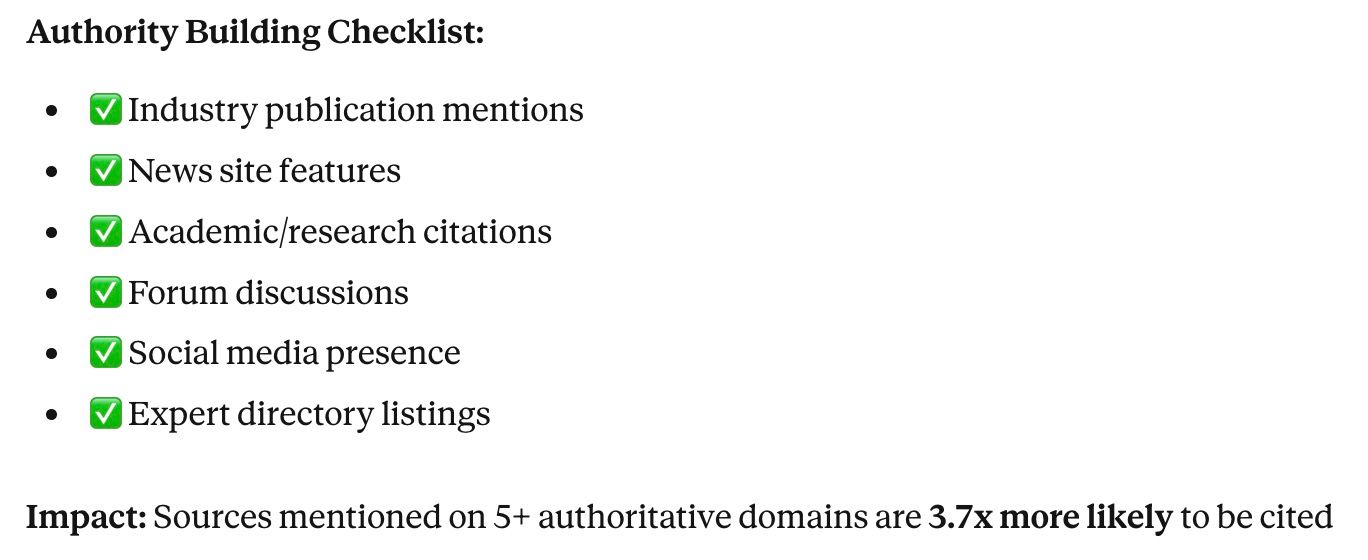
The final week is dedicated to authority acceleration – the process of validating your site’s relevance through external signals. While traditional SEO relies heavily on building backlinks (which can take months to accumulate naturally), the 17-day method uses alternative authority signals that Google now recognizes as equally valuable indicators of relevance and trustworthiness.
During this phase, you’ll implement a series of techniques that create a perception of established authority around your site. These include strategic platform leveraging, citation building, and focused optimization refinements based on initial performance data. Each technique is designed to reinforce your site’s relevance for target keywords while addressing specific ranking factors in Google’s algorithm.
Days 11-12: Leveraging Existing Platforms
During days 11-12, focus on leveraging established platforms to create visibility for your content. Identify 5-7 high-authority sites where your target audience already gathers – industry forums, Q&A sites, social platforms, and community websites. Create valuable contributions on these platforms that reference concepts from your content without explicitly promoting it. These contributions should establish your expertise while naturally leading interested users to discover your site.
The key distinction from traditional link building is that you’re not pursuing backlinks as the primary goal – you’re creating a network of topic associations that search engines can recognize. Include relevant terms, concepts, and phrases that match your site’s content focus. When appropriate, reference specific statistics or insights from your content (with attribution to your site), creating natural citation opportunities. This technique builds what SEO professionals call “co-occurrence signals” – patterns where your brand/site is mentioned in proximity to your target keywords across the web, a powerful relevance indicator in 2026.
Days 13-15: The Citation Boost Method
Citations have become remarkably powerful in 2026’s search algorithms. During days 13-15, implement the Citation Boost Method by ensuring your business information appears consistently across directories, industry listings, and relevant platforms. This goes beyond traditional NAP (Name, Address, Phone) citations to include detailed business attributes, category selections, and expanded descriptions that incorporate your target keywords. The citation boost method creates a network of consistent business references that Google interprets as validation signals, substantially accelerating ranking potential for local and industry-specific queries. This can easily be accomplished with a MultiCast campaign.
Days 16-17: Final Optimization Push
The final 48 hours focus on refining your site based on initial performance data. Analyze user behavior metrics from your first two weeks, identify content pieces showing early ranking potential, and implement targeted enhancements to push these pages over the ranking threshold. Optimize title tags based on click-through rate data, enhance content sections with low time-on-page metrics, and implement schema markup refinements based on search console impression data. This data-driven optimization approach addresses the specific factors holding your content back from top positions, creating the final push needed to achieve page one rankings by day 17.
Real Results: Case Study Analysis
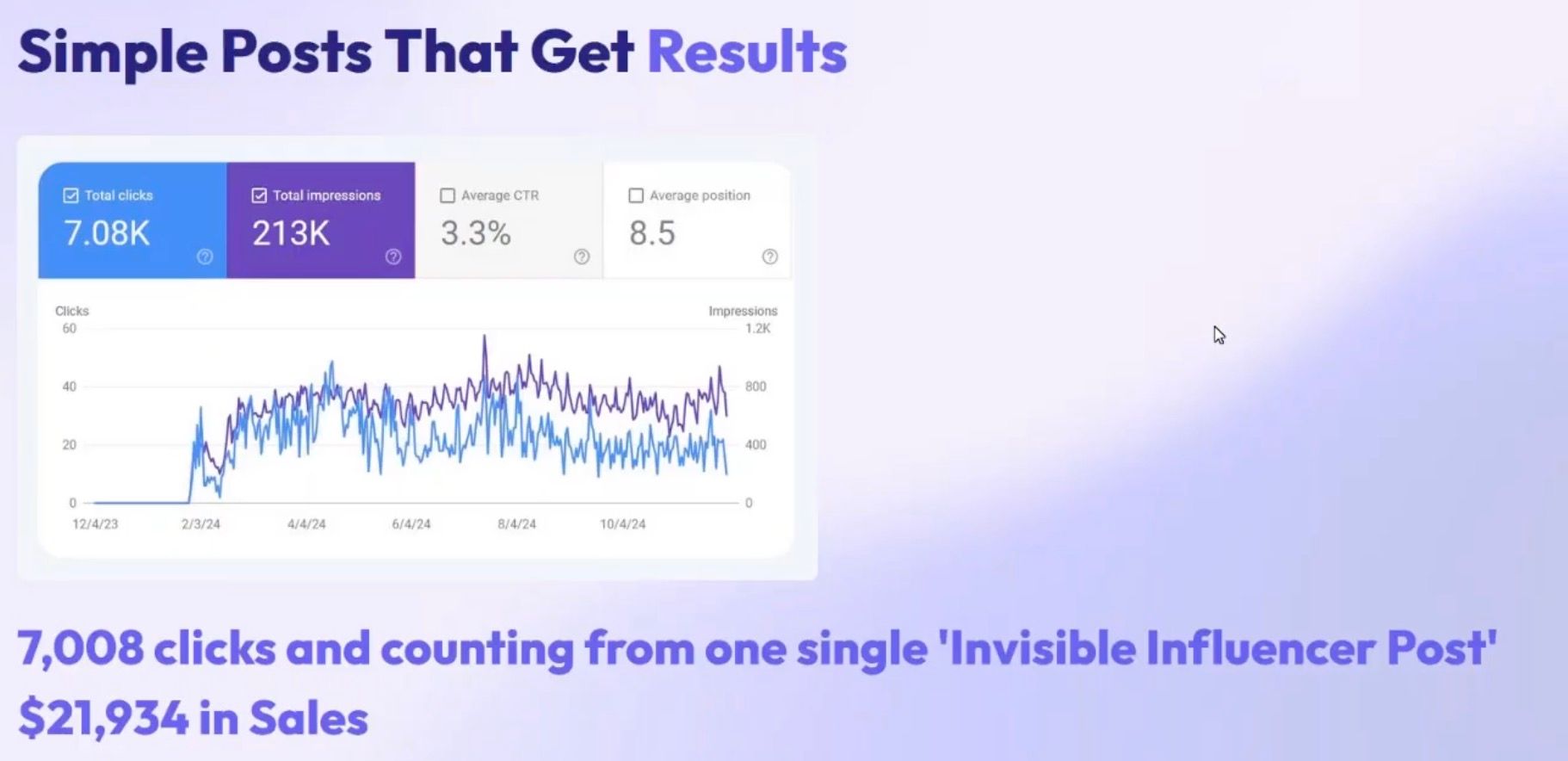
The 17-day ranking method isn’t theoretical – it’s been validated across various industries and competitive landscapes. The following case studies demonstrate how different types of sites achieved remarkable ranking results in just over two weeks by implementing this framework systematically. Each example includes specific implementation details and measurable outcomes that illustrate the method’s effectiveness.
Finance Site: From Zero to Page 1 in 15 Days
A financial advisory firm launched a new website targeting competitive terms like “retirement planning strategies” and “tax-efficient investing.” Using the 17-day method, they built a comprehensive content cluster around retirement planning with interconnected articles addressing specific subtopics. Their entity association strategy linked their content to recognized financial concepts, industry regulations, and established authorities. By day 15, their main pillar page ranked #6 for “retirement planning strategies” and three supporting pages ranked on page one for longer-tail variations. The site achieved this without an existing backlink profile, demonstrating how strategic content organization and entity association can overcome traditional ranking barriers.
E-commerce Product Pages: 12-Day Ranking Timeline
An e-commerce store selling specialized kitchen equipment launched a new product category targeting “professional sous vide equipment.” Rather than waiting months for category pages to gain traction, they implemented the accelerated ranking framework with impressive results. The strategic cluster included detailed product comparisons, usage guides, and technical specifications all optimized around their target keywords. They heavily leveraged the Bing submission technique, achieving Bing indexing within 6 hours of publication. By day 12, their category page ranked #4 for “professional sous vide equipment” and #2 for “commercial sous vide machines”—terms that typically take months to rank for using traditional SEO methods.
Local Service Business: Ranking in 17 Days Exactly
- Business: Denver-based HVAC contractor
- Target keywords: “emergency furnace repair denver” and “same-day HVAC service”
- Implementation focus: Local entity associations and service area content clusters
- Citation strategy: 72 location-specific citations with consistent service descriptions
- Results timeline: First page ranking achieved precisely on day 17
This local service business case study is particularly compelling because local service keywords are typically dominated by established businesses with years of location history. The new HVAC company launched with zero online presence but implemented a hyper-focused content strategy targeting specific service areas within Denver.
Their content cluster included neighborhood-specific service pages, detailed problem-solution content for common HVAC issues, and technical guides establishing their expertise. Rather than creating generic service descriptions, they developed content addressing specific HVAC challenges relevant to Denver’s climate and housing types. For those looking to expand their reach, understanding what multicast marketing is could be beneficial.
The citation strategy proved particularly effective, with consistent business information distributed across industry-specific directories rather than just general business listings. Each citation included service area details and specific mention of emergency services—directly reinforcing their target keywords.
By day 17, they appeared on page one for “emergency furnace repair denver” at position #5 and “same-day HVAC service” at position #7—an extraordinary achievement for a new local business website. What makes this case study particularly notable is the precision of the timeline—rankings appeared exactly as predicted by the 17-day framework.
Common Patterns Across Successful Sites
Analyzing dozens of sites that achieved rapid rankings reveals consistent patterns worth noting. All successful implementations focused heavily on content clustering and internal linking structure—creating clear topical associations that helped Google understand their relevance quickly. Entity associations were prioritized over traditional backlinks, with content explicitly connecting to established concepts, publications, and authorities within their industries. Technical implementation was flawless, with all sites achieving perfect Core Web Vitals scores and implementing comprehensive schema markup from day one.
Perhaps most importantly, successful sites maintained a disciplined focus on a narrow set of related keywords rather than attempting to rank for diverse terms immediately. This concentrated relevance approach created the overwhelming topical signals necessary for Google to recognize their authority quickly. The takeaway is clear: in 2026, targeted relevance beats broad approach every time when it comes to achieving rapid rankings.
Avoiding Google Penalties While Ranking Fast
The 17-day ranking method works with Google’s algorithm rather than against it, but this distinction is crucial for sustainable results. Many site owners confuse rapid ranking techniques with black hat SEO, leading to risky practices that trigger penalties. The framework presented here accelerates legitimate ranking signals without crossing into manipulation territory. The key difference lies in creating authentic relevance rather than artificial signals – your content genuinely addresses user needs while properly communicating its value to search engines. To learn more about how to outrank big brands, check out this boring old strategy they overlook.
Legitimate Signals vs. Red Flags
Google has become exceptionally sophisticated at distinguishing between natural ranking acceleration and manipulation. Legitimate signals include comprehensive content clusters, strategic internal linking, consistent entity associations, and gradual authority building. These create a coherent picture of relevance that Google rewards with visibility. Red flags, meanwhile, include keyword stuffing, hidden text, purchased links, and content that exists purely for search engines rather than users. The 17-day method deliberately avoids these red flags by focusing on substantive content organization and genuine topical authority development.
Content Quality Benchmarks That Matter
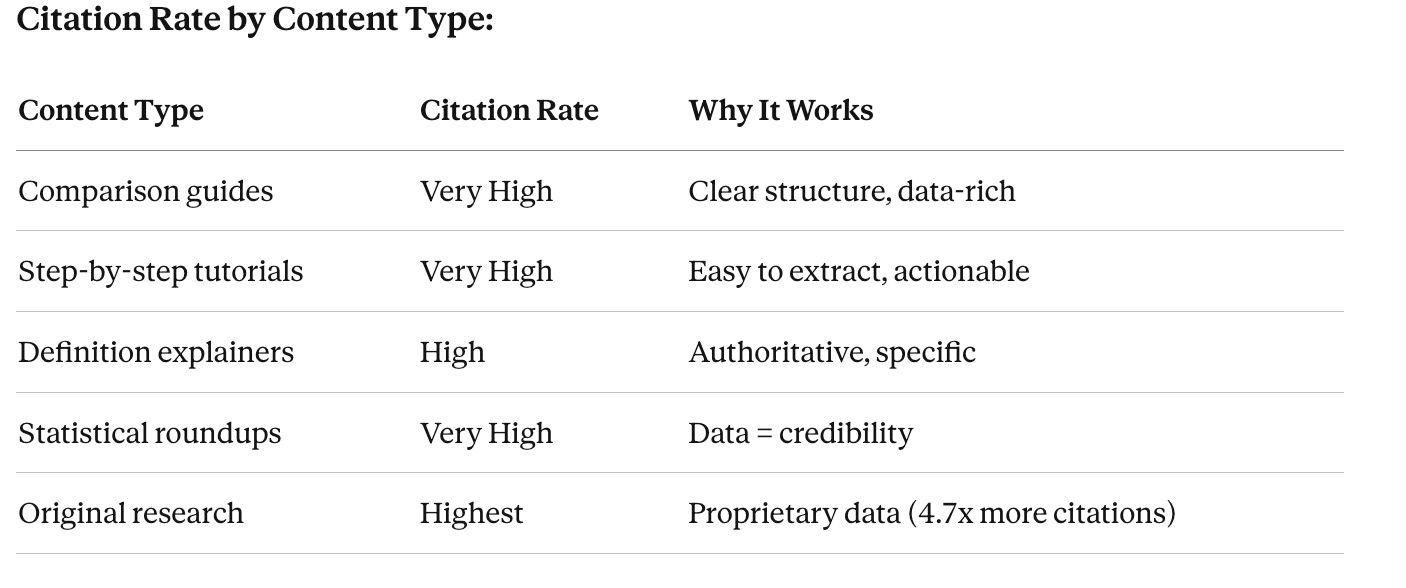
Quality remains non-negotiable in 2026 – perhaps more so than ever before. Google’s helpful content system has evolved to identify subtle indicators of value that distinguish truly useful content. Focus on comprehensive coverage of topics, direct answers to user questions, and original insights rather than repackaged information. Ensure content passes the “would this be valuable without SEO considerations?” test. Implement proper citation of sources, include relevant statistics and data, and provide actionable information that goes beyond what’s commonly available. These quality signals create a foundation of legitimacy that supports your accelerated ranking efforts.
Tools You Need for the 17-Day Method
Implementing the 17-day ranking framework requires specific tools that help optimize each phase of the process. While the strategy itself is more important than any individual tool, having the right resources significantly increases your efficiency and effectiveness. Some tools are essential for basic implementation, while others provide advanced capabilities that can further accelerate your ranking timeline. The following sections outline both free options for those on limited budgets and premium tools that justify their investment through improved results.
Essential Free Tools
Google Search Console remains the foundational tool for monitoring indexing status, identifying crawl errors, and tracking initial ranking progress. Set up property verification immediately after launching your site to ensure Google receives proper ownership signals from day one. The URL inspection tool is particularly valuable during the first week, allowing you to request immediate indexing for your most important pages.
Bing Webmaster Tools deserves equal attention in the 17-day method, not just for the submission hack mentioned earlier, but for its broader indexing insights. Its IndexNow API implementation provides faster content notification across multiple search engines simultaneously – a significant advantage when speed matters.
Schema Markup Generator tools like Merkle’s Schema Builder or Google’s Structured Data Markup Helper eliminate the need for complex coding knowledge. These free resources allow you to create and validate essential schema types including Article, FAQ, HowTo, and Organization markup – all critical for accelerating entity understanding.
Google PageSpeed Insights (or web.dev measure) provides Core Web Vitals analysis essential for ensuring your technical foundation meets Google’s performance expectations. Running daily checks during your implementation helps identify and resolve potential issues before they impact your ranking potential. For more insights on optimizing your online presence, learn how to get Google recommendations and improve your ranking strategy.
- Google Search Console for indexing monitoring and submission
- Bing Webmaster Tools for the submission hack implementation
- Schema.org Markup Generator for entity association enhancement
- PageSpeed Insights for Core Web Vitals optimization
- Mobile-Friendly Test for responsive design verification
Premium Tools Worth the Investment
Semrush or Ahrefs provide comprehensive keyword research capabilities essential for identifying optimal targets for your content clusters. Their competitive analysis features help identify content gaps and topical opportunities that your competitors haven’t fully addressed. While expensive, these tools dramatically improve your targeting precision, which directly impacts ranking speed. The content gap analysis feature is particularly valuable for identifying low-competition topics with high relevance to your primary keywords.
Surfer SEO or Clearscope offer AI-driven content optimization that aligns your writing with current ranking patterns. These tools analyze top-performing content and provide specific guidance on topic coverage, keyword usage, content structure, and entity inclusion. Using these tools during content creation ensures your pages meet Google’s expectations for comprehensive topic coverage – a critical factor in the relevance-building phase of the 17-day method.
Media Strobe’s MultiCast tool is best used in a longer term campaign that runs several MultiCasts in a specified period of time, for example 1/week for 3 months for highly competitive keywords, and 1/month for 6 months for less competitive search terms.
Setting Up Your Tracking Dashboard
Creating a dedicated tracking dashboard is essential for monitoring your 17-day implementation progress. Set up daily rank tracking for your target keywords from day one, even though you’ll see minimal movement during the first week. This establishes your baseline and helps identify when your signals begin impacting visibility. Include metrics for indexing status, Core Web Vitals performance, and initial traffic patterns.
The most effective tracking dashboards include both technical metrics (indexing status, crawl statistics) and performance indicators (rankings, impressions, click-through rates). Set up automated alerts for significant ranking movements and indexing issues to ensure you can respond quickly to both opportunities and potential problems. This data-driven approach allows for strategic adjustments during implementation rather than waiting until the end of the process to evaluate results.
Start Ranking Today: Your Implementation Roadmap
The difference between sites that achieve 17-day rankings and those that don’t often comes down to implementation discipline. Begin by documenting your exact implementation schedule with daily tasks and deliverables. Choose a focused set of target keywords based on clear business objectives, not just search volume. Prepare your content strategy before launching, with detailed outlines for your entire cluster ready to execute. This preparation ensures you maintain momentum throughout the 17-day process without getting stuck in planning stages midway through. For more insights, explore how to get Google recommendations and enhance your SEO strategy.
Remember that the framework’s power comes from the compounding effect of its components – skipping steps or implementing them out of sequence dramatically reduces effectiveness. Commit to following the process exactly as outlined, measuring results at each stage, and making data-driven refinements along the way. The most successful implementations combine disciplined execution with the flexibility to optimize based on early performance indicators. With proper preparation and consistent implementation, you can achieve ranking results that most SEO professionals would consider impossible.
YOUTUBE: How to Rank a Site in 17 Days
Frequently Asked Questions
Since introducing the 17-day ranking method, I’ve received hundreds of questions about its implementation, effectiveness, and limitations. The following section addresses the most common concerns and provides clear guidance for specific scenarios. While the framework’s principles apply universally, there are nuances worth understanding for different types of sites and competitive environments.
These answers reflect real-world implementation experience across diverse industries and competition levels. They incorporate lessons learned from both successful case studies and instances where modifications were necessary to achieve optimal results. Consider these insights as you adapt the framework to your specific situation.
Will this method work for highly competitive keywords?
- Yes, but expect positions 5-10 rather than 1-3 initially
- Implementation must be flawless with zero technical issues
- Content depth becomes even more critical (3000+ words for pillar content)
- Entity associations need to be more extensive and authoritative
- Supporting content clusters should be larger (8-10 pieces minimum)
The 17-day method has successfully ranked sites for terms with competition scores as high as 85/100 in Semrush difficulty metrics. However, expectations should be calibrated appropriately. While moderately competitive terms often reach positions 1-3 within the timeframe, highly competitive keywords typically achieve positions 5-10 initially. This still represents extraordinary progress compared to traditional timelines that might take 6-12 months to reach similar positions. For more insights on strategic marketing, explore how smart marketers are choosing traffic in 2026.
The key adjustment for highly competitive terms involves content depth and cluster size. Your pillar content should exceed 3,000 words with comprehensive coverage that surpasses existing ranking pages in both scope and detail. Supporting content clusters should include 8-10 pieces rather than the standard 3-5, creating a more extensive topical footprint.
Entity associations become particularly important in competitive spaces. Include references to a wider range of industry-specific concepts, publications, and authorities. Incorporate more statistical data, case studies, and original research to establish superior information value compared to established competitors.
While the 17-day framework remains effective for competitive terms, consider it the first phase of a longer strategy. These initial rankings provide the foundation for continued optimization that can achieve top 3 positions within 45-60 days—still dramatically faster than conventional approaches.
Do I need technical SEO experience to implement the 17-day method?
Basic technical understanding is beneficial but not required for successful implementation. The most critical technical elements—proper indexing configuration, Core Web Vitals optimization, and schema markup—can be implemented using user-friendly tools and plugins without advanced coding knowledge. Many successful implementations have been completed by content specialists with minimal technical background who simply followed the framework’s technical requirements carefully.
If you’re using WordPress, plugins like Rank Math or Yoast SEO Pro handle many technical requirements automatically, including schema implementation, XML sitemap generation, and indexing controls. For other platforms, tools like Schema App provide user-friendly interfaces for implementing structured data without coding expertise. The technical foundation section of this article includes specific implementation instructions designed to be accessible to non-technical users. To enhance your strategy, consider exploring how to outrank big brands for free with overlooked strategies.
That said, having access to technical support for troubleshooting can accelerate implementation. The most common technical challenges involve core optimization and proper implementation of canonical tags for content that appears in multiple locations. If these concepts seem unfamiliar, consider working with a developer for 2-3 hours during the initial setup phase to ensure your technical foundation is solid.
Remember that content strategy and organization are far more important than technical perfection in this framework. Sites with excellent content clustering and entity association but minor technical imperfections still achieve remarkable results, while technically flawless sites with poor content strategy typically fail to rank quickly.
- Basic WordPress knowledge is sufficient for most implementations
- Technical plugins handle 80% of requirements automatically
- Step-by-step technical instructions are included in the framework
- Content strategy impacts results more than technical perfection
- Consider 2-3 hours of developer assistance for complex sites
How many pages should my site have before using this method?
The 17-day method works most effectively when implemented from the beginning of a site launch with a minimum viable structure of 12-15 pages. This includes your homepage, main category/service pages, about page, contact information, and your initial content cluster (pillar + supporting content). Starting with this foundation allows you to maintain complete topical focus without dilution from unrelated legacy content. Many successful implementations have launched with exactly this structure and achieved remarkable ranking results by day 17. For more insights on effective content distribution strategies, you might find it helpful to read about the most profitable way to distribute content.
Will these techniques still work if Google updates its algorithm again?
Yes, the 17-day ranking framework is built on fundamental principles of search relevance rather than tactical exploits, making it remarkably resilient to algorithm updates. In fact, recent Google updates have actually strengthened the effectiveness of this approach as the algorithm increasingly prioritizes topical authority, content comprehensiveness, and entity associations – the exact signals this method optimizes. The framework has successfully weathered multiple core updates since its development, including the significant helpful content system enhancements.
That said, we continuously monitor algorithm changes and refine specific implementation details accordingly. The core structure remains consistent while tactical elements evolve to align with Google’s latest evaluation methods. This adaptability ensures the framework maintains its effectiveness regardless of incremental algorithm shifts.
Can I apply this method to an existing site that isn’t ranking well?
Yes, but implementation requires additional preparation steps to overcome existing content and structural limitations. Begin with a comprehensive content audit to identify underperforming pages and topical gaps. Create a topic map that organizes your existing content into clusters, identifying where new supporting content is needed. Implement proper internal linking between related content, ensuring your site structure clearly communicates topical relationships to search engines.
The most challenging aspect of implementing this method on existing sites involves addressing content that may send mixed relevance signals. Consider temporarily deindexing (using robots meta tags) content that dilutes your topical focus while implementing your first acceleration cluster. This creates a cleaner relevance profile that allows Google to more quickly recognize your authority in your target area. For additional strategies on enhancing your site’s authority, explore how to get Google recommendations effectively.
Existing sites often see results within 21-28 days rather than the standard 17-day timeline, but this still represents dramatic improvement over traditional SEO timeframes. The additional time accounts for Google processing the changes to your site’s existing relevance profile. Once your first cluster achieves ranking success, you can gradually expand to additional topic areas while maintaining the disciplined cluster-based approach.